Patagonia is not a checklist
On choosing one valley over five postcards, and the trip you actually remember.

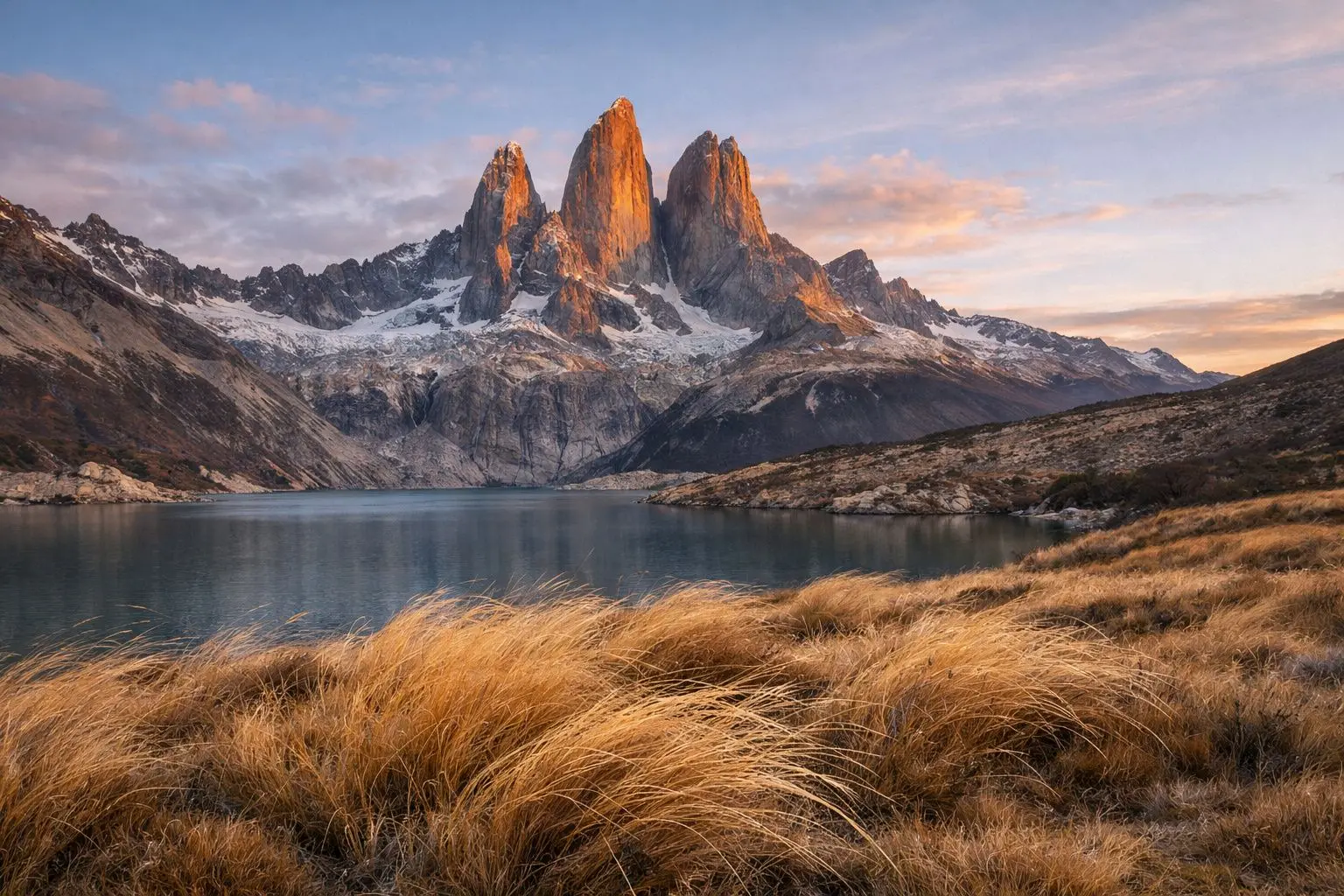
The standard ten-day Patagonia itinerary is a marvel of logistics: Torres del Paine, El Chaltén, Perito Moreno — three postcards, two border crossings, and a calendar where every day is spoken for. It looks like ambition. Mostly it’s a bet against weather, and Patagonia’s weather does not lose bets.
The weather eats itineraries
This is the part the itinerary posts skip. The region’s fronts arrive sideways, cancel viewpoints, and eat whole days. A packed schedule has no slack in it, so one whiteout over the Torres means the postcard is gone forever, along with the transit day that was meant to carry you to the next one. Slow travel in Patagonia isn’t an aesthetic preference. It’s insurance.
A shape that works
One region, one week, one base. El Chaltén makes the argument well: a town built for walking, where the famous hikes begin at the edge of the street. You give it seven days and take the trailheads as the weather allows — Laguna de los Tres when the morning opens blue, the quieter valleys when it doesn’t, a rest day that doubles as a weather hold and doesn’t feel wasted. Torres del Paine rewards the same math from Puerto Natales, with the towers themselves best treated as a card you play on a good forecast, not a date circled in advance.
What you lose, what you keep
You’ll miss a postcard or two. You’ll keep the valley you actually walked instead of rushed through, the long second morning at the laguna when everyone else caught the bus, the bar where the forecast got argued about in two languages. Nobody returns from Patagonia talking about the transfers.
Choose one valley. Let the others be the reason to come back, which — a valley is a terrible thing to check off anyway — is what they deserve.
Know someone who would enjoy this?