Kyoto in late autumn
Timing the leaves without timing the crowds — a short guide to Japan's most photographed month.

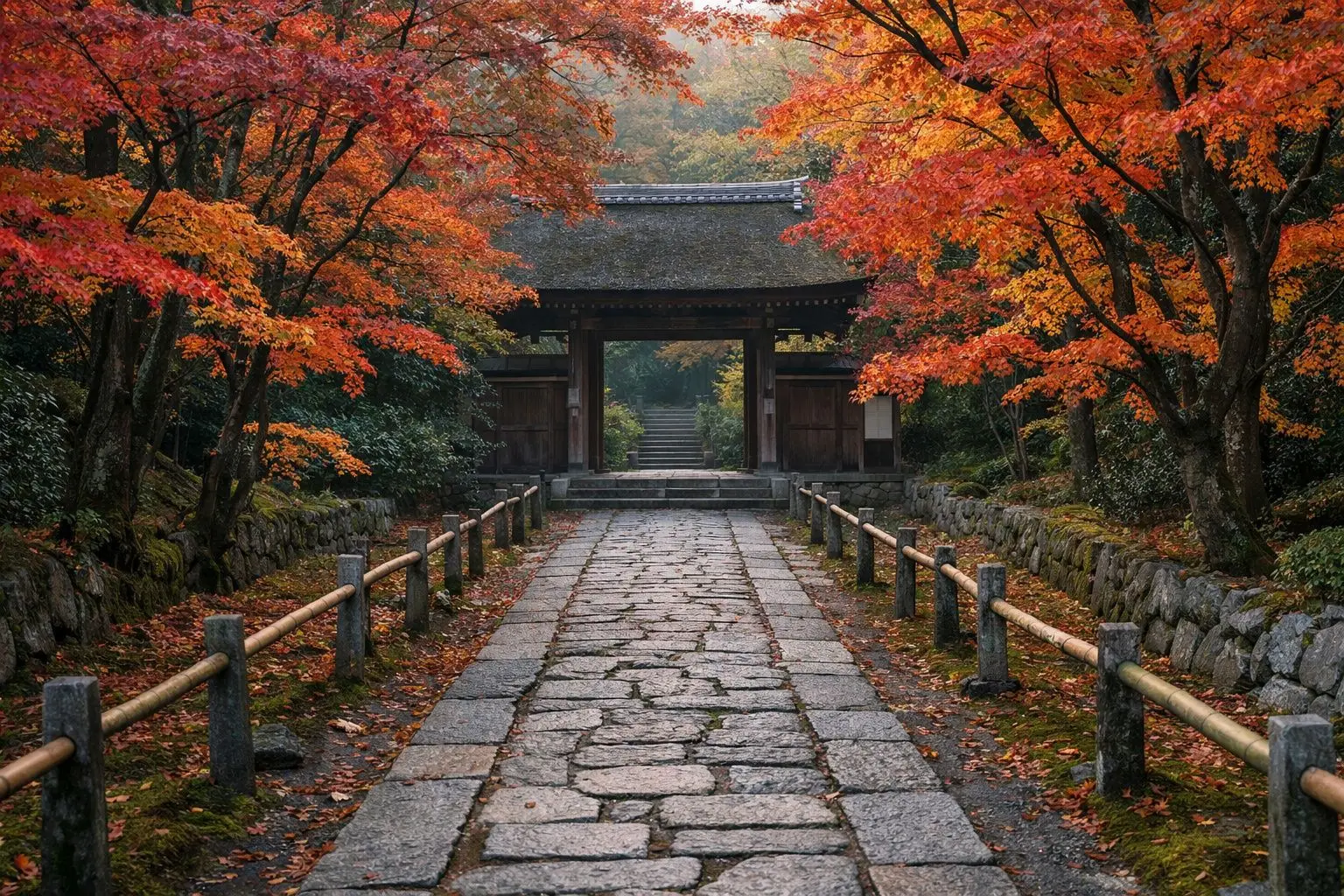
For about three weeks each year — roughly mid-November into early December — Kyoto turns the color of a woodblock print, and half the world seems to arrive with the leaves. The maples are worth it. The jostle is optional.
The window
The leaves turn on their own calendar, and the internet tracks it obsessively, which helps. Book lodging the day your dates firm up — not the month before, the day. If the forecast says peak is early December, believe it; December’s cold mornings come with thinner crowds than late November’s golden afternoons.
Where, without the queue
Some crowds are the point: Tōfuku-ji’s maple valley is a crush precisely because it is unmissable, and going at 8:30 on a weekday instead of 11 on a Saturday halves it. The rest is arithmetic. Arashiyama at dawn is a different district from Arashiyama at noon. The Philosopher’s Path has roughly forty minutes of quiet after sunrise. And the city is full of temple gardens and neighborhood shrines that no list will ever name, whose maples are exactly as red.
Practical notes
Dress in layers — the bright mornings turn cold by four. The crowded temples sell timed entry now; take the earliest slot and trade it for a slow afternoon somewhere unlisted. Eat early or late; the restaurant rows near the big sights peak exactly when you’d expect.
The honest trade
You will share Kyoto in late autumn. Go anyway, wake earlier than you’d like, and give one whole afternoon to a garden chosen at random — that is the one the trip will actually be remembered by.
Know someone who would enjoy this?